Erectile dysfunction

Courses tagged with "Erectile dysfunction"

General practice is increasingly recognised as the frontline for identifying, supporting, and advocating for neurodivergent people across the lifespan. As understanding of neurodevelopmental conditions evolves, so too does the need for GPs to navigate complex presentations, intersectional identities, and the physical, psychological, and social impacts of neurodivergence.

The aim of this conference is to build confidence in navigating uncertainty and complexity in neurodevelopmental care. We will explore how neurodivergence presents in everyday consultations, how it intersects with gender, hormones, physical health, and identity, and how GPs can create safer, more accessible environments for neurodivergent patients. We will also address the growing need to support neurodivergent colleagues and trainees within the NHS workforce, recognising that neurodiversity is not only a patient issue but also a workplace reality.

The conference will equip GPs with clear, implementable strategies to improve recognition, reduce diagnostic inequity, and provide meaningful support, even within the constraints of a 10-minute consultation and overstretched systems. Neurodiversity is not a niche topic; it is a core component of modern primary care.

Learning Objectives:

  • Improve recognition of neurodivergence across diverse and under served populations
  • Strengthen GP capability in early identification, screening and supportive management 
  • Deepen understanding of physical health differences associated with neurodivergence 
  • Apply the GP with extended role framework to enhance quality safety and pathway development 
  • Translate emerging evidence into everyday general practice 

Topics include

  • Recognition of autism and ADHD in primary care 
  • Physical conditions associated with neurodivergence 
  • Beyond behaviour: Understanding and supporting neurodivergent children and young people
  • Gender dysphoria in neurodiversity
  • The role of the GP in a system transformation programme for adult ADHD
  • Menopause and ADHD: recognising the overlap and getting the GP consultation right
  • Hot tips for prescribing in neurodivergence

Conference Chair:

Dr Heidi Phillips MRCGP, Neurodevelopmental Specialist GP, RCGP Clinical Advisor for Neurodiversity


 
 
CPD Points: 6.0
Time to complete this course: 6-7 hours
Date of publication: 1 July 2026
Mode: Webinar
Podcast icon: No
Course index: Show
Section titles: Show
Breadcrumb: Hide
Breadcrumb Parent Category: No
Progress Doughnut: Hide

Gastroenterology is one of the major medical specialties and accounts for 10% of all appointments in primary care. The British Society of Gastroenterologists (BSG) estimate that 90% of patients with gastrointestinal (GI) disorders are managed in primary care. The aims of this RCGP one-day essentials in gastroenterology are to update delegates on the emerging issues, such as the new faecal immunochemical test (FIT) guidelines and the management of functional bowel disorders, as well as the more common presentations of GI conditions like chronic diarrhoea. By the end of the day, you will have more confidence in investigating and managing patients presenting with GI problems, which will improve patient care, result in less referrals to gastroenterology services and benefit service issues around the provision of endoscopy.

Topics include

  • Diverticular disease
  • Inflammatory Bowel Disease (IBD) management in primary care
  • Irritable bowel syndrome (IBS) and functional gastrointestinal disorders
  • Iron deficiency anaemia (IDA)
  • GI disorders in pregnancy
  • Chronic diarrhoea
  • Constipation and reflux

Conference Chair:

Dr Mark Follows MRCGP, GPwER in gastroenterology in Norfolk

Curriculum: Gastroenterology
CPD Points: 6.5
Time to complete this course: 6-7 hours
Date of publication: 17 November 2026
Mode: Webinar
Podcast icon: No
Course index: Show
Section titles: Show
Breadcrumb: Hide
Breadcrumb Parent Category: No
Progress Doughnut: Hide

This is a recording of a live conference that took place on 6 October 2026. This recording will be available to view until 6 July 2027.

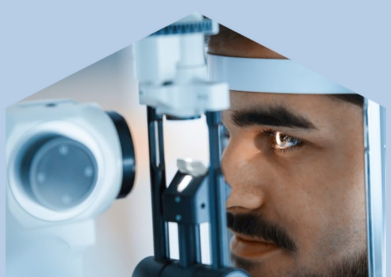
Eye problems are among the most common and potentially challenging presentations in primary care. With more than 2 million people currently living with sight loss in the UK - a figure projected to rise to over 4 million by 2050 - the need for timely recognition, management and referral of eye conditions has never been greater.

GPs are often the first healthcare professional consulted when patients experience visual symptoms, red eye, sudden vision changes or ocular discomfort. In fact, eye-related problems account for an estimated 4.5 million GP consultations each year, placing primary care at the heart of preventing avoidable sight loss and ensuring patients receive the right care at the right time.

Learning Objectives:

  • Recognise and appropriately manage common ophthalmic presentations in primary care, including red eye, visual disturbance, painful eye conditions and chronic eye disease.
  • Identify ophthalmic emergencies and key red flags that require urgent treatment or same-day referral to prevent avoidable sight loss.
  • Apply a structured approach to eye assessment and referral decision-making, improving confidence, clinical efficiency and patient outcomes in everyday practice.

Topics include

  • Diabetes and eyes
  • Managing red eyes
  • Cataracts
  • Glaucoma
  • Eye problems in paediatrics
  • Eyelids problems

Conference Chair:

Dr Waqaar Shah, FRCGP, RCGP Clinical Expert in Eye Health


Curriculum: Eyes and Vision
CPD Points: 6.5
Time to complete this course: 6-7 hours
Date of publication: 6 October 2026
Mode: Webinar
Podcast icon: No
Course index: Show
Section titles: Show
Breadcrumb: Hide
Breadcrumb Parent Category: No
Progress Doughnut: Hide

Cardiovascular disease is the world’s biggest killer and in the UK one of the leading causes of dying prematurely, in both men and women. More women die prematurely from CVD than breast cancer. Fortunately, with proactive care, most of which can be delivered in primary care, many of these deaths can be avoidable. The evidence and guidance within cardiology has evolved very dramatically in recent years and it is likely that if you are still practicing the way you were even a few years ago, you may be out of kilter with current best practice.

This one day conference, tailored specifically to the needs of primary care HCPs – namely GPs, GP registrars, practice nurses, clinical pharmacists, paramedics, and the wider primary care MDT – aims to bring you up to speed with contemporary evidence-based and guideline-recommended management. Across the day, you’ll gain concise algorithms, prescribing and monitoring checklists, referral triggers, and language/behavioural strategies that make consultations smoother and outcomes better.

Learning Objectives:

  • To understand the evidence for incretin based therapies to improve CV outcomes and how to use them in clinical practice
  • To understand the link between chronic insomnia and CVD
  • To be able define chronic insomnia and its pathophysiology
  • To understand the language of ECG
  • To understand the link between cardiovascular disease and respiratory disease
  • To risk assess patients with palpitations in primary care
  • To understand how to identify and manage drug induced heart disease 

Topics include

  • Incretin therapies and cardiovascular prevention
  • Insomnia and CVD
  • ECG
  • The Cardio-respiratory
  • Modern cardiovascular risk stratification
  • Management of Palpitations
  • Drug induced heart disease

Conference Chair:

Dr Yassir Javaid FRCGP, GPwER in Cardiology


Curriculum: Cardiovascular Health
CPD Points: 6.5
Time to complete this course: 6-7 hours
Mode: Webinar
Podcast icon: No
Course index: Show
Section titles: Show
Breadcrumb: Show
Breadcrumb Parent Category: No
Progress Doughnut: Show

Men experience significant health inequalities in the UK. Around one in five men will not live to reach retirement age, and many serious conditions are diagnosed late because men are less likely to seek medical advice early, particularly for mental, sexual, or reproductive health concerns.

Primary care sits at the centre of this challenge. Most men will only discuss sensitive issues with their GP, making general practice the critical setting for earlier detection, prevention, and intervention.

At the same time, several major trends are reshaping men’s health. Sperm counts have fallen by around 50% globally over the past 50 years, and around 90% of initial subfertility consultations occur in primary care. This means GPs increasingly need the knowledge and confidence to begin appropriate assessment, initiate investigations, and guide patients through early management and referral pathways.

The RCGP One Day Essentials Men’s health conference is designed to support clinicians in managing the conditions that commonly present in practice but are often under-recognised or difficult to navigate. Through practical teaching and case-based discussion, expert speakers will provide clear frameworks for assessment and management.

More than 2000 clinicians attended last year’s conference, reflecting the growing demand for practical education in this area.

Learning Objectives:

  • Improve confidence in recognising and managing men’s mental health presentations in primary care.
  • Develop a structured approach to testosterone-related health issues, including investigation and management pathways.
  • Recognise symptoms and referral pathways for genital cancers, including testicular and penile malignancies.
  • Understand the diagnosis and management of prostatitis and genital infections, including sexually transmitted infections.
  • Learn how to begin male fertility assessment in primary care, including early investigations and referral thresholds.
  • Review evidence-based approaches to lower urinary tract symptoms (LUTS).
  • Explore causes and treatment pathways for erectile dysfunction, including physical and psychological contributors.

Topics include

  • Men and mental health
  • Testosterone-related health issues
  • Genital cancers
  • Prostatitis and genital infections, including STIs
  • Male fertility
  • Lower urinary tract symptoms (LUTS)
  • Erectile dysfunction (ED)

Conference Chair:

Dr Anand Patel MRCGP, GP, Specialist in men's health


CPD Points: 6.5
Time to complete this course: 6-7 hours
Date of publication: 1 July 2026
Mode: Webinar
Podcast icon: No
Course index: Show
Section titles: Show
Breadcrumb: Hide
Breadcrumb Parent Category: No
Progress Doughnut: Hide

Skin conditions are one of the most common reasons for GP consultations, yet dermatology training during medical school and vocational training can be variable, leaving many clinicians lacking confidence in diagnosing and managing skin disease. As GPs, we manage the majority of dermatological conditions in the community without recourse to secondary care, and when we do refer, patients often face long waiting times. This means that primary care clinicians need the confidence and skills to assess, diagnose, treat and safety-net a wide range of skin presentations.

This One Day Essentials conference will focus on common and challenging dermatology presentations in general practice, including skin cancer, inflammatory skin disease, infections, hair loss, facial dermatoses and dermatology in skin of colour. The emphasis throughout the day will be on practical diagnosis, evidence-based management, and knowing when to refer.

Learning Objectives:

  • Improve diagnostic accuracy by identifying subtle signs such as pigmentary change rather than erythema
  • Identify appropriate initial investigations in primary care for hair loss
  • Apply a systematic approach to assessing pruritus with and without rash
  • Identify key clinical features of melanoma, squamous cell carcinoma (SCC) and basal cell carcinoma (BCC)
  • Recognise different clinical subtypes and atypical presentations of psoriasis
  • Differentiate fungal infections from inflammatory mimics
  • Differentiate rosacea from other common facial dermatoses (e.g. acne, seborrhoeic dermatitis, perioral dermatitis)

Topics include

  • Skin of colour
  • Hairloss in women
  • The itchy patient
  • Fungal skin infections
  • Psoriasis beyond the plaques
  • Managing rosacea and facial dermatoses
  • Skin cancer

Conference Chair:

Dr Pyal Patel, MRCGP, GPwER in Dermatology and cosmetic dermatology 


CPD Points: 6.5
Time to complete this course: 6-7 hours
Date of publication: 24 March 2026
Mode: Webinar
Podcast icon: No
Course index: Show
Section titles: Show
Breadcrumb: Hide
Breadcrumb Parent Category: No
Progress Doughnut: Hide

This is a recording of a live conference that took place on 24 March 2026. This recording will be available to view until 24 December 2026.

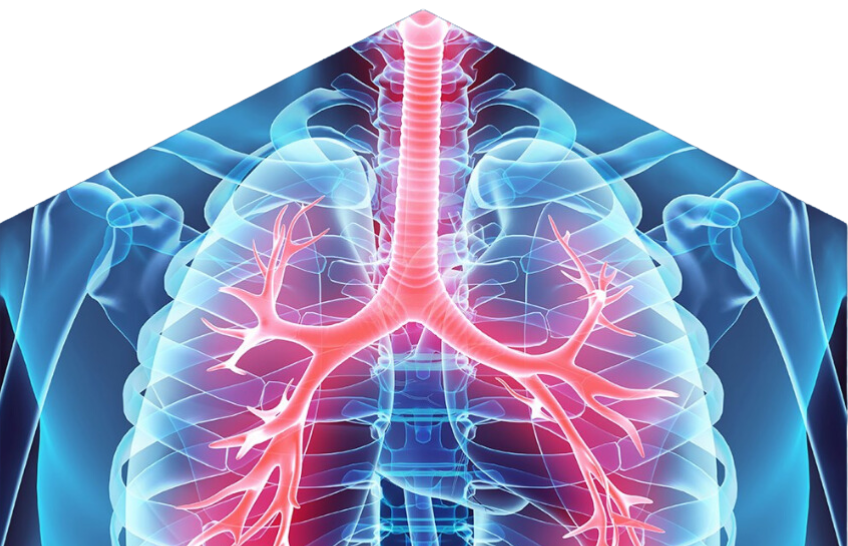
Respiratory disease affects one in five people and is the third largest cause of death in the UK in 2022. Respiratory problems are the commonest reason for patients to consult primary care and their general practitioners in the United Kingdom. In addition, suboptimal management of chronic respiratory conditions can have a significant impact on patients' quality of life and result in avoidable hospital admissions. Join us for this insightful conference focusing on managing respiratory health conditions in primary care.

Learning Objectives:

  • To be clear about the management of pre-school wheeze and early management of asthma in children and young people
  • To understand the diagnostic process and treatment recommendations in the BTS/NICE/SIGN asthma guidelines
  • To be clear on how to assess difficult to treat asthma know who to refer for more specialist input and be aware of the impact of biologics in this population
  • To be able to identify key features that may suggest a new diagnosis of bronchiectasis and be aware of investigations that may be appropriate To understand the basics of management of bronchiectasis and management of exacerbations in the primary care setting
  • To understand the pitfalls and traps in making a good diagnosis of COPD, and be aware of current evidence based interventions to improve outcomes for this population
  • To have a structure to manage chronic cough (linked to recent BTS guidance) and be aware which investigations and treatments may be worthwhile in primary care and when to involve more specialist colleagues
  • To be aware of breathlessness diagnostic pathways, the issues of multiple contributors to breathlessness and be able to consider use of the Breathing Thinking Functioning model in management on top of usual medical interventions for the person who has chronic breathlessness

Topics include

  • Asthma
  • Chronic cough
  • Bronchiectasis
  • Chronic obstructive pulmonary disease
  • Breathlessness

Conference Chair:

Dr Stephen Holmes, FRCGP, GP and Clinical respiratory lead


CPD Points: 6.5
Time to complete this course: 6-7 hours
Date of publication: 24 March 2026
Mode: Webinar
Podcast icon: No
Course index: Show
Section titles: Show
Breadcrumb: Hide
Breadcrumb Parent Category: No
Progress Doughnut: Hide

Now more than ever it is essential that we are able to identify these conditions early and manage them effectively including signposting patients to the appropriate service in a timely fashion and with limited resources. In addition, with the increasing pressure on our appointments, we are remotely triaging and/or consulting with more patients making a meaningful assessment of their neurological symptoms even more challenging. This necessitates updating our knowledge and re-educating our gut-feeling to effectively and safely assess them in 10 mins and agree a management plan. You'll learn lots of practical tips to help you improve your practice and your patients care. 

Learning Objectives:

  • To be able to identify, diagnose and manage the common neurological conditions
  • To avoid medical pitfalls in primary care
  • To identify the relevant red flags to reach a proper management plan including referral in a timely fashion
  • To improve understanding and confidence in recognising and managing functional neurological disorders
  • To update us on related NICE guidelines
  • To help developing clinical pathways to facilitate transformation of services in your locality

Topics include:

  • Dizziness
  • Sensory disorders
  • Parkinson's
  • Headaches & migraines
  • Avoiding neurological medical legal pitfalls
  • Forgetfulness & dementia
  • Functional neurological disorders
  • Short guide to examination tips

Conference Chair:

Dr Nassif Mansour FRCGP 


CPD Points: 6.5
Time to complete this course: 6-7 hours
Date of publication: 5 March 2026
Mode: Webinar
Podcast icon: No
Course index: Show
Section titles: Show
Breadcrumb: Hide
Breadcrumb Parent Category: No
Progress Doughnut: Hide