One Day Essentials

Courses tagged with "One Day Essentials"

The evolution of diabetes care in primary care has never been more dynamic. Over the past two decades, we’ve moved from a narrow glycaemic lens to a truly cardiometabolic approach, with powerful therapies, better risk stratification, and a renewed focus on remission and patient‑centred outcomes. Yet, the day‑to‑day realities—initiating injectables, navigating pregnancy, supporting young people, and delivering sustainable lifestyle change—remain challenging at the front line.

This conference is a one‑day, case‑based, practical conference crafted for GPs, GP registrars, practice nurses, clinical pharmacists, paramedics, and the wider primary care MDT. Across the day, you’ll gain concise algorithms, prescribing and monitoring checklists, referral triggers, and language/behavioural strategies that make consultations smoother and outcomes better. Join us for pragmatic, up‑to‑date, and patient‑centered learning—designed to support safe, equitable diabetes care across the life course.

 Learning objectives

By the end of the conference, delegates will be able to:

  • Summarise the major changes in type 2 diabetes care since 2003, including cardio‑renal risk reduction, weight‑centred management, and personalisation of therapy.
  • Prioritise first‑ and second‑line therapy choices using a cardiometabolic framework (atherosclerotic cardiovascular disease, heart failure, chronic kidney disease, obesity, hypoglycaemia risk, and patient preference).
  • Identify appropriate candidates for GLP‑1 receptor agonists in type 2 diabetes and for weight management, considering indications, BMI/eligibility, and comorbidities.
  • Initiate and titrate GLP‑1 receptor agonists safely in primary care, anticipating common adverse effects (gastrointestinal intolerance, dehydration risk), mitigating them with practical counselling, and monitoring response.
  • Have an introduction to practicalities of starting insulin e.g select when and how to start insulin (e.g., basal-first), set personalised glycaemic targets, and apply simple up‑titration algorithms aligned to self-monitoring of blood glucose/continuous glucose monitoring data.
  • Differentiate pre‑existing diabetes vs gestational diabetes and outline preconception, antenatal, and postnatal priorities (folate, medication safety switches, glycaemic targets, ketone education).
  • Recognise red flags and use clear referral/escalation pathways between primary care, diabetes in pregnancy teams, and obstetrics.
  • Recognise presentations of diabetes in children/teens (including Diabetic Ketoacidosis red flags) and act on urgent referral thresholds.
  • Support ongoing care in primary care (screening, vaccination, psychosocial considerations) and facilitate safe transition planning with paediatric and young adult services.
  • Explain evidence‑based approaches to type 2 diabetes remission (e.g., low‑calorie/total diet replacement and low‑carbohydrate strategies) and select who is most likely to benefit.
  • Embed behaviour‑change techniques and culturally sensitive counselling to improve adherence, metabolic health, and long‑term weight maintenance.
  • Apply practical checklists for medication review, polypharmacy, and deprescribing opportunities (e.g., when weight loss allows treatment simplification).

Topics

  • A guided tour of the key shifts from 2003 to 2026—what’s genuinely changed e.g guidelines, what still matters, and what to do next and help your patients.
  • The practicalities of starting GLP‑1 receptor agonists (for type 2 diabetes and weight management).
  • The practicalities of starting insulin safely in primary care.
  • Diabetes in pregnancy.
  • Diabetes in children and teenagers.
  • Type 2 diabetes reversal and lifestyle management—turning evidence into realistic action in real clinics.

Conference chair

Dr Vinesh Sobha MRCGP, GPwER in diabetes and Diabetes UK Clinical Champion

RCGP learning logo

Curriculum: Metabolic Problems and Endocrinology
CPD Points: 5.5
Time to complete this course: 5-6 hours
Date of publication: 12 May 2026
Mode: Webinar
Podcast icon: No
Course index: Show
Section titles: Show
Breadcrumb: Show
Breadcrumb Parent Category: No
Progress Doughnut: Hide

This is a recording of a live conference that took place on 28 April 2026. This recording will be available to view until 18 February 2027.

Join us for a One Day Essentials conference on the medical needs of our patients with a learning disability. The national learning disability mortality review programme learning from lives and deaths LeDeR (2023 annual report published January 2026) has shone a light on the huge health inequalities experienced by this population. This course will cover a variety of topics aiming to help GPs support the health needs and complexity of their patients with a learning disability. The focus of the ODE will be on improving health in line with the move from hospital to community, sickness to prevention and analogue to digital.

Learning objectives

  •  To encourage GPs to support improving the health of people with a learning disability.
  • To further develop understanding of the health inequalities experienced by this population of people with a learning disability
  • To improve awareness of a variety of tools to support practice improvement
  • To develop GP confidence to manage the complexity of need of people with a learning disability in conjunction with the wider multidisciplinary team

Topics include

  • Lung health
  • Cancer screening
  • Menopause
  • Breast examination
  • End of life
  • Diabetes in people with a learning disability

Conference co-chairs

Dr Rachel Gaywood, GP, Clinical Lead for Learning Disability and Neurodiversity, RCGP SIG for learning disability

Dr Kathy Petersen, GP Partner, Forum Family Practice, Strategic clinical lead for mental health

RCGP learning logo

Curriculum: Neurodevelopmental Disorders, Intellectual and Social Disability
CPD Points: 6.0
Time to complete this course: 6-7 hours
Date of publication: 28 April 2026
Mode: Webinar
Podcast icon: No
Course index: Show
Section titles: Show
Breadcrumb: Show
Breadcrumb Parent Category: No
Progress Doughnut: Hide

This is a recording of a live conference that took place on 23 April 2026. This recording will be available to view until 21 January 2026.

Lifestyle medicine is a global medical discipline, teaching clinicians behavioural techniques to support patients with some of the root causes of ill health. These include assessing and addressing financial stress, poor mental wellbeing, social isolation, inactivity, poor quality food, poor sleep/shift work and harmful substances or behaviours such as smoking, alcohol, vaping and harmful tech use. Lifestyle medicine provides one-to-one assessment and support but requires wider public health population level interventions. The aim of these interventions is to prevent, treat and potentially reverse ill health whilst minimising the need for long-term medications.

The RCGP have analysed feedback following the overwhelming success of the first Lifestyle medicine ODE in April 2025 to develop a more rounded understanding of the subject area. This One Day Essentials Lifestyle medicine conference will describe lifestyle medicine practice and how it is applied in everyday clinical practice for GPs. The conference will cover the RCGP GP with extended role in lifestyle medicine pathway, the evidence for lifestyle medicine and where it sits with population and public health, how this practice can be used to reduce health inequity, avoid over-diagnosis and over-prescribing.

This year’s focus is on how to help people to improve sleep, reduce loneliness and isolation, address tech harms in particular amongst children.

Learning objectives:

  • Define lifestyle medicine
  • Describe how public health and population health interventions can be complemented by lifestyle medicines one-to-one support
  • List the evidence for lifestyle medicine interventions, particularly for child health
  • Develop skills to assess and intervene around the pillars of lifestyle medicine in particular around social isolation, tech harms and sleep
  • Describe how lifestyle medicine can be used to address inequity
  • List how lifestyle medicine can improve sustainable practice
  • Describe how art and time in nature can improve health outcomes

Topics: 

  • What is lifestyle medicine and introduction to RCGP GP with extended role in lifestyle medicine
  • The evidence for lifestyle medicine and how it works with public and population health
  • Lifestyle medicine is sustainable medicine and can improve planetary health
  • Social prescribing, green space, art, sleep interventions and reducing harms from tech including social media
  • Lifestyle medicine and health inequalities
  • Interactive session sharing practical tips on how to fit a lifestyle assessment into a short consultation

Conference chair:

Dr Ellen Fallows, GP and expert in obesity and lifestyle medicine

RCGP learning logo

Curriculum: Population Health
CPD Points: 6.5
Time to complete this course: 6-7 hours
Date of publication: 23 April 2026
Mode: Webinar
Podcast icon: No
Course index: Show
Section titles: Show
Breadcrumb: Show
Breadcrumb Parent Category: No
Progress Doughnut: Hide

This is a recording of a live conference that took place on 22 January 2026. This recording will be available to view until 16 November 2026.

Children and young people make up 25% of consultations in primary care. Amongst the simple and straightforward, there are some complexities and conditions that need careful thought and care. As a GP you are brilliantly placed to support children and young people in every crucial stage of their development, both through the direct care you provide them and the family-centred approaches you take around population health and improving health equity. With the help of an expert group of clinicians, all of whom work in hospital childrens services but with experience of working in partnership with colleagues in primary care, we will equip you to better manage conditions in primary care and to diagnose and treat common childhood illness along with appropriately managing more challenging or complex cases that can come up in children and young people. 

Learning objectives:

  • Strengthen skills in recognising and diagnosing a broad range of conditions commonly seen in children and young people
  • Increase confidence using the latest evidence in treating key common conditions in children and young people
  • Broaden skills in working in partnership with local and specialist paediatricians in managing some of the more challenging or complex cases that can come up in children and young people

Topics: 

  • Eczema
  • Asthma
  • Cow's milk protein intolerance
  • ADHD and Autism
  • Adolescent gynaecology
  • Vaccine preventable diseases

Conference co-chairs:

Dr Sharon Jheeta, Consultant Paediatrician, Imperial College Healthcare NHS Trust 

Dr Bob Klaber, Consultant Paediatrician & Director of Strategy, Research & Innovation, Imperial College Healthcare NHS Trust

RCGP learning logo

Curriculum: Children and Young People
CPD Points: 6.0
Time to complete this course: 6-7 hours
Date of publication: 22 January 2026
Mode: Webinar
Podcast icon: No
Course index: Show
Section titles: Show
Breadcrumb: Show
Breadcrumb Parent Category: No
Progress Doughnut: Hide

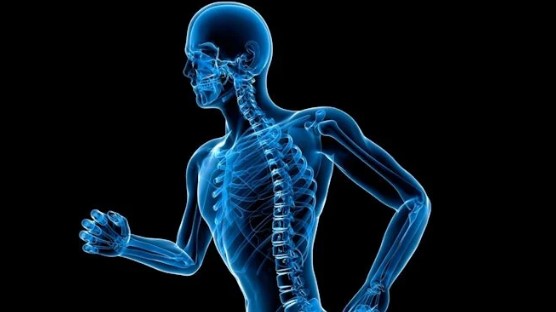
Musculoskeletal (MSK) conditions account for up to 30% of general practitioner consultations, representing a substantial clinical workload and a significant societal burden. MSK problems often persist longer than many other conditions, leading to reduced quality of life and wider socioeconomic impact. GPs are pivotal in early recognition, accurate diagnosis, effective management, and preventive care for MSK presentations, helping to minimise disability and support long-term health and wellbeing.

This One Day Essentials conference equips primary care professionals with practical, evidence-based skills to confidently assess and manage MSK conditions in a time-pressured GP setting. Delegates will gain up-to-date knowledge on management of musculoskeletal conditions across the ages, prevention strategies, and the role of physical activity as both a therapeutic and preventive intervention.

Learning Objectives:

  • Strengthen diagnostic confidence by recognising common and important MSK presentations, distinguishing mechanical, inflammatory, and systemic causes, and applying effective history-taking and examination techniques in primary care.
  • Improve examination skills for MSK conditions 
  • Enhance management strategies in MSK conditions seen in primary care
  • Optimise patient outcomes through practical approaches to patient education, self-management support, safe physical activity promotion

Topics include:

  • Gout
  • Physical activity
  • Chronic pain
  • Paediatric rheumatology
  • Osteoporosis
  • Back and hip
  • Shoulder and knee

Conference Chair:

Dr Jean Wong MRCGP, GP and RCGP eLearning fellow


Curriculum: Musculoskeletal Health
CPD Points: 6.0
Time to complete this course: 6-7 hours
Date of publication: 9 February 2026
Mode: Webinar
Podcast icon: No
Course index: Show
Section titles: Show
Breadcrumb: Show
Breadcrumb Parent Category: No
Progress Doughnut: Hide

This is a recording of a live conference that took place on 11 December 2025. This recording will be available to view until 20 October 2026.

One in two people will be diagnosed with cancer sometime in their lifetime. These patients will present in your primary care practice often, making general practice a fundamental part in achieving good outcomes for cancer patients.

Learning Objectives:

  • Update knowledge on the latest evidence for early cancer detection
  • Learn to embed safety netting in your clinical practice
  • Expand awareness of novel approaches to cancer detection
  • Understand non-specific symptom (NSS) presentations and use of rapid diagnostic centres (RDCs)
  • Learn how to support cancer patients once diagnosed and living with and beyond their cancer
  • Explore the role of primary care networks and wider primary care teams in improving early diagnosis of cancer

Topics include:

  • Urgent referrals and non-specific symptom pathways including RDCs
  • Safety netting tips and tools
  • Cancer testing and detection (including multi-cancer early detection tests)
  • Haematological cancer update
  • Supporting patients living with cancer including palliative and end of life care
  • Cancer hot topics and the future of primary care in cancer

Conference Chair:

Dr Thomas Round MRCGP, General Practitioner and Academic Clinical Research Fellow


Curriculum:
CPD Points: 6.5
Time to complete this course: 6-7 hours
Date of publication: 1 December 2025
Mode: Webinar
Podcast icon: No
Course index: Show
Section titles: Show
Breadcrumb: Show
Breadcrumb Parent Category: No
Progress Doughnut: Hide

This is a recording of a live conference that took place on 11 November 2025. This recording will be available to view until 4 September 2026.

We know that the prevalence of mental health problems has increased since the COVID-19 pandemic, whilst there is increasing pressure on services. Our experienced speakers will provide evidence-based information tailored to the needs of primary care clinicians. All our speakers will use cases to illustrate the range of mental health difficulties presented to primary care. We will consider  depression, psychosis, eating disorders, and perinatal mental health difficulties. We will also discuss the role of primary care and the range of solutions beyond NHS Talking Therapies.

By the end of this event, you will be better equipped to identify and meet the mental health needs of your patients and manage the increasing demands on primary care services.

Topics include: 

  • Practitioner health: caring for yourself so you can care for your patients
  • Managing people with eating disorders
  • Perinatal psychosis
  • Management of people with psychosis in primary care
  • Trauma informed care (TIC) and people with complex emotional and relational needs (CERN); an introduction for GPs 
  • Management of people with anxiety and depression
  • Management of people with obsessive-compulsive disorder (OCD)

Conference Chair:

Professor Carolyn Chew-Graham OBE MRCGP, General Practitioner and Professor of General Practice Research, Keele University School of Medicine

RCGP learning logo

Curriculum: Mental Health
CPD Points: 6.0
Time to complete this course: 6-7 hours
Mode: Webinar
Podcast icon: No
Course index: Show
Section titles: Show
Breadcrumb: Show
Breadcrumb Parent Category: No
Progress Doughnut: Hide

This is a recording of a live conference that took place on 4 November 2025. This recording will be available to view until 20 August 2026.

Gastroenterology is one of the major medical specialties and accounts for 10% of all appointments in primary care. The British Society of Gastroenterologists (BSG) estimate that 90% of patients with gastrointestinal (GI) disorders are managed in primary care. 

The aims of this conference are to update delegates on the emerging issues, such as the new Faecal Immunochemical Test guidelines and the management of metabolic dysfunction–associated steatotic liver disease (the new name for NAFLD), as well as the more common presentations of GI conditions like dyspepsia, functional bowel disorders and iron deficiency anaemia. 

By the end of the day, you will have more confidence in investigating and managing patients presenting with GI and liver problems, which will improve patient care, result in less referrals to gastroenterology services and benefit service issues around the provision of endoscopy.


Learning objectives:

  • How to manage patients with abnormal liver blood tests in primary care
  • Provide updates on Metabolic dysfunction-associated steatotic liver disease 
  • Provide updates on how to assess and manage patients presenting with lower and upper GI symptoms 
  • Provide updates on neuroendocrine tumours 

Topics: 

  • Liver disease 
  • Gastroesophageal reflux
  • Lower and upper GI symptoms
  • Irritable bowel syndrome (IBS)
  • Neuroendocrine tumours (NETS) 

Conference chair:

Dr Mark Follows, GPwER gastroenterology

RCGP learning logo

Curriculum: Gastroenterology
CPD Points: 6.0
Time to complete this course: 6-7 hours
Date of publication: 4 November 2025
Mode: Webinar
Podcast icon: No
Course index: Show
Section titles: Show
Breadcrumb: Show
Breadcrumb Parent Category: No
Progress Doughnut: Hide

Over 2 million people in the UK live with sight loss, and this number is predicted to rise to nearly 4 million by 2050 as our population ages. With eye-related issues accounting for 4.5 million GP consultations annually, GPs are often on the frontline of detecting and managing ophthalmic conditions, yet many feel uncertain due to limited exposure during training.

This interactive, expert-led virtual course is designed to boost your confidence and competence in ophthalmology, helping you recognise red flags, manage common presentations, and make timely referrals. With access to eminent specialists, the day will cover key topics, from acute eye emergencies to chronic conditions, ensuring you leave with actionable skills to implement immediately in your practice.

This One Day Essentials conference will help you deliver better care with confidence. It is an opportunity to sharpen your skills, reduce uncertainty, and improve patient outcome, all in just one day.

 Learning objectives

  • Develop a structured approach to assessing common and urgent eye conditions, reducing diagnostic uncertainty.
  • Improve your ability to diagnose and manage frequently encountered presentations, including red eye, visual disturbances, and chronic eye disease.
  • Gain a deeper understanding of key ophthalmology topics, from glaucoma and macular degeneration to neuro-ophthalmology emergencies.
  • Enhance your confidence in recognising red flags that require urgent referral or intervention.
  • Learn practical tips for effective patient communication, examination techniques, and when to involve specialists.


Topics

  • Glaucoma
  • Cataracts
  • Macular degeneration
  • Eye problems in paediatrics
  • Diabetes in the eye
  • Red eye
  • Generic eyelid problems

Conference chair

Dr Waqaar Shah FRCGP, RCGP Clinical Expert in Eye Health

RCGP learning logo


Bronze sponsor

Moorfields logo

Moorfields Private Eye Hospital sponsored this conference. Editorial and content decisions were made solely by the RCGP.


Curriculum: Eyes and Vision
CPD Points: 6.5
Time to complete this course: 6-7 hours
Date of publication: 12 November 2025
Mode: Webinar
Podcast icon: No
Course index: Show
Section titles: Show
Breadcrumb: Show
Breadcrumb Parent Category: No
Progress Doughnut: Hide

Available until 5 June 2026.

Primary care sports medicine focuses extensively on the diagnosis, management and treatment of musculoskeletal injuries and disorders. It encompasses a wide range of disciplines and practices aimed at promoting the health and fitness of athletes and physically active individuals. Understanding sports medicine enables GPs to provide comprehensive care for patients of all ages and activity levels, addressing not just general health but also physical activity-related issues. Join us for a full day of practical and interactive discussion exploring common sports medicine presentations in general practice, and some introductions on how to become involved in this exciting specialty.


Topics include:

  • Rheumatology in sports medicine 
  • Women's health in sports medicine: pregnancy, postpartum & perimenopause
  • Concussion
  • Cardiology in sports
  • Psychological consideration in rehabilitation in sports and exercise medicine
  • Foot and ankle injuries
  • Careers in sports medicine panel discussion 


Learning objectives:

  • Increase delegates’ knowledge on identifying and managing various sporting injuries and medical conditions amongst the physically active population.
  • Gain an appreciation of sex-specific considerations in injury risk, rehabilitation, and exercise physiology.
  • Recognise the psychological factors affecting recovery from sports injuries.
  • Identify training and career pathways to develop a special interest in SEM alongside general practice.


Conference Chair:

Dr Sarah Dyche, Salaried GP at Rosedale Surgery, ECCH GP Associate


RCGP learning logo


Curriculum: Musculoskeletal Health
CPD Points: 6.5
Time to complete this course: 6-7 hours
Date of publication: 2 May 2025
Mode: Webinar
Podcast icon: No
Course index: Show
Section titles: Show
Breadcrumb: Show
Breadcrumb Parent Category: No
Progress Doughnut: Hide
Available until 20 March 2026.

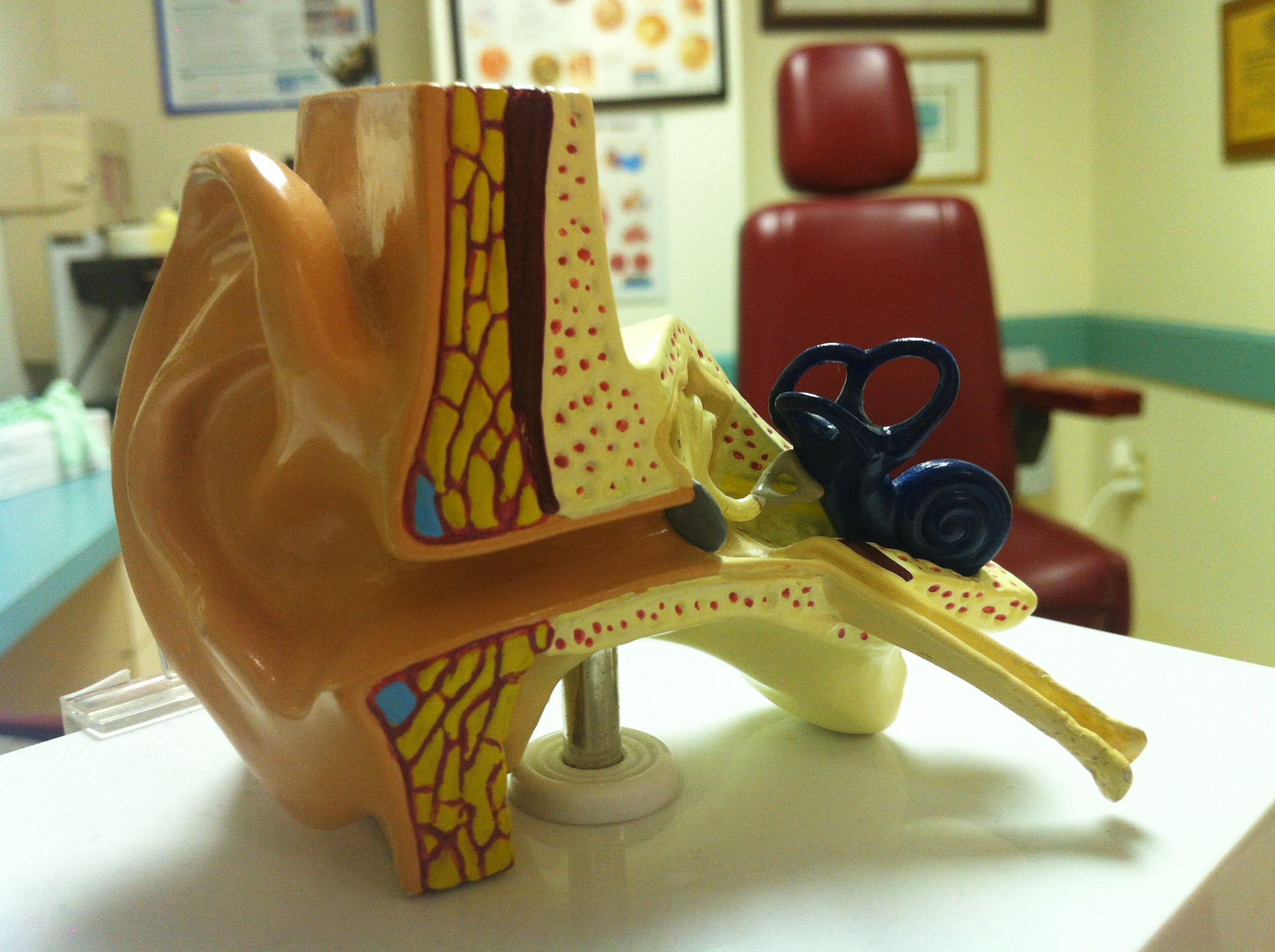
ENT is a key specialty for any GP. You rarely have a day in general practice without some form of an ENT encounter, hence a robust knowledge of the subject is important.

This programme has been specifically devised keeping the busy GP in mind. We aim to address the most common and essential learning needs that primary care practitioners have. The topics are handpicked to cover the core and important areas where knowledge of the subject is vital. We aim to fill the day with key points that you can directly translate into your daily practice. This conference will be interactive with plenty of time for Q&A.


Topics include:

  • Basic essential anatomy and physiology required for Primary care.
  • Essential ear conditions 
  • Disorders of the nose and sinuses
  • Disorders of the throat
  • Dizziness approach, diagnosis approach and management
  • Red flags in ENT head and neck
  • Other relevant conditions

RCGP Learning

Bronze sponsor

Breakthrough T1D logo

Ménière’s Society sponsored this conference. Editorial and content decisions were made solely by the RCGP.


Curriculum: Ear, Nose and Throat, Speech and Hearing
CPD Points: 6.5
Time to complete this course: 6-7 hours
Date of publication: 18 June 2025
Mode: Webinar
Podcast icon: No
Course index: Show
Section titles: Show
Breadcrumb: Show
Breadcrumb Parent Category: No
Progress Doughnut: Hide