Safeguarding

Courses tagged with "Safeguarding"

Women's Health Safeguarding


Domestic abuse is common and can result in significant health issues for victims. While both men and women can be affected by domestic abuse, women are disproportionately the victims and experience greater harms. The majority of victims of domestic homicide are women. Domestic abuse has (or can be associated with) widespread impacts on mental and physical health, which may be encountered in general practice. This course considers how domestic abuse may be present and can be recognised in general practice consultations and is aligned to level 3 RCGP safeguarding standards. This course falls within the consulting in general practice curriculum field.

Production, editorial, and distribution owned by the Royal College of General Practitioners.

RCGP logo

Curriculum: Consulting in General Practice
CPD Points: 0.5
Time to complete this course: 30 minutes
Date of publication: 18 December 2025
Mode: Course
Podcast icon: No
Course index: Show
Section titles: Hide
Breadcrumb: Hide

These clinical toolkits have been developed in partnership between the RCGP and our funding and delivery partners. The resources have been created for primary healthcare professionals, patients and carers. These toolkits can be used to assist in the delivery of safe and effective care to patients.

Curriculum:
Time to complete this course: 0 minutes
Mode: Toolkit
Podcast icon: No
Course index: Hide
Section titles: Hide
Breadcrumb: Hide

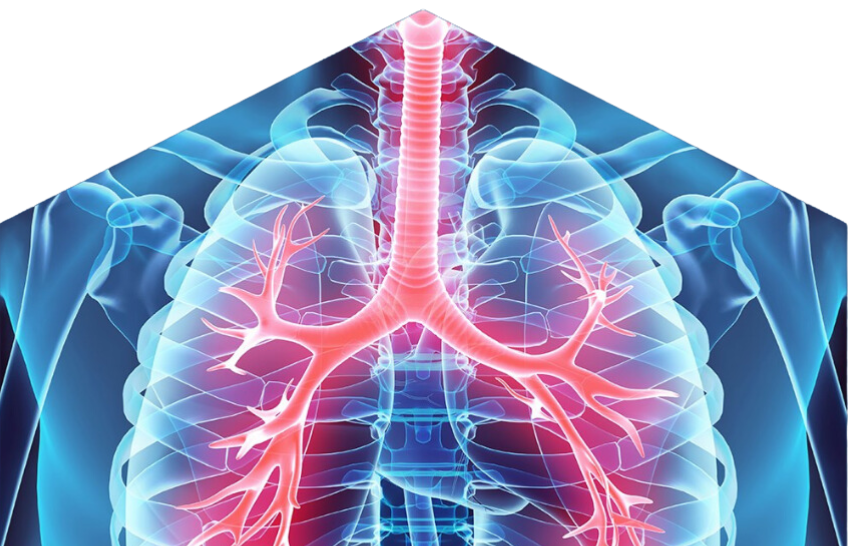
Respiratory disease affects one in five people and is the third largest cause of death in the UK in 2022. Respiratory problems are the commonest reason for patients to consult primary care and their general practitioners in the United Kingdom. In addition, suboptimal management of chronic respiratory conditions can have a significant impact on patients' quality of life and result in avoidable hospital admissions. Join us for this insightful conference focusing on managing respiratory health conditions in primary care.

Learning Objectives:

  • To be clear about the management of pre-school wheeze and early management of asthma in children and young people
  • To understand the diagnostic process and treatment recommendations in the BTS/NICE/SIGN asthma guidelines
  • To be clear on how to assess difficult to treat asthma know who to refer for more specialist input and be aware of the impact of biologics in this population
  • To be able to identify key features that may suggest a new diagnosis of bronchiectasis and be aware of investigations that may be appropriate To understand the basics of management of bronchiectasis and management of exacerbations in the primary care setting
  • To understand the pitfalls and traps in making a good diagnosis of COPD, and be aware of current evidence based interventions to improve outcomes for this population
  • To have a structure to manage chronic cough (linked to recent BTS guidance) and be aware which investigations and treatments may be worthwhile in primary care and when to involve more specialist colleagues
  • To be aware of breathlessness diagnostic pathways, the issues of multiple contributors to breathlessness and be able to consider use of the Breathing Thinking Functioning model in management on top of usual medical interventions for the person who has chronic breathlessness

Topics include

  • Asthma
  • Chronic cough
  • Bronchiectasis
  • Chronic obstructive pulmonary disease
  • Breathlessness

Conference Chair:

Dr Stephen Holmes, FRCGP, GP and Clinical respiratory lead


Curriculum:
CPD Points: 6.5
Time to complete this course: 6-7 hours
Date of publication: 24 March 2026
Mode: Webinar
Podcast icon: No
Course index: Show
Section titles: Show
Breadcrumb: Hide

Now more than ever it is essential that we are able to identify these conditions early and manage them effectively including signposting patients to the appropriate service in a timely fashion and with limited resources. In addition, with the increasing pressure on our appointments, we are remotely triaging and/or consulting with more patients making a meaningful assessment of their neurological symptoms even more challenging. This necessitates updating our knowledge and re-educating our gut-feeling to effectively and safely assess them in 10 mins and agree a management plan. You'll learn lots of practical tips to help you improve your practice and your patients care. 

Learning Objectives:

  • To be able to identify, diagnose and manage the common neurological conditions
  • To avoid medical pitfalls in primary care
  • To identify the relevant red flags to reach a proper management plan including referral in a timely fashion
  • To improve understanding and confidence in recognising and managing functional neurological disorders
  • To update us on related NICE guidelines
  • To help developing clinical pathways to facilitate transformation of services in your locality

Topics include:

  • Dizziness
  • Sensory disorders
  • Parkinson's
  • Headaches & migraines
  • Avoiding neurological medical legal pitfalls
  • Forgetfulness & dementia
  • Functional neurological disorders
  • Short guide to examination tips

Conference Chair:

Dr Nassif Mansour FRCGP 


Curriculum:
CPD Points: 6.5
Time to complete this course: 6-7 hours
Date of publication: 5 March 2026
Mode: Webinar
Podcast icon: No
Course index: Show
Section titles: Show
Breadcrumb: Hide

Sexual and reproductive health needs are an important aspect of the holistic care we provide for our patients and cover a wide range of concerns. This One Day Essentials in sexual health will cover a variety of topics including updates on frequently managed concerns and some that require new and evolving management. All the expert speakers appreciate the demands of primary care and will include many tips and recommendations to improve the care you offer and to share with other members of your primary care team.

Learning Objectives:

  • To gain confidence in addressing sexual health as part of the holistic care offered
  • Update on new developments 
  • Managing cases that are typically presented in the primary care setting
  • Appreciate psychosexual concerns and how these may present and be managed in the primary care setting

Topics include:

  • Psychosexual health
  • Erectile dysfunction/premature ejaculation
  • A primary care approach to vaginal discharge
  • STIs that affect the skin
  • Case-based safeguarding in sexual health
  • Contraception update
  • Sexual health and the menopause

Conference Chair:

Dr Toni Hazell FRCGP, GP and RCGP eLearning fellow


Curriculum:
CPD Points: 6.5
Time to complete this course: 6-7 hours
Date of publication: 1 December 2025
Mode: Webinar
Podcast icon: No
Course index: Show
Section titles: Show
Breadcrumb: Hide
Available until 15 July 2026.

Welcome to our One Day Essentials on pain management. Pain management is evolving. New research, innovative therapies, and a deeper understanding of lived experiences are reshaping how we approach complex and Persistent Pain. 

Join us for this dynamic, one-day event where leading experts and patients with lived experience will bridge the gap between cutting-edge science and real-world practice. Whether you’re navigating challenging consultations, rethinking medication strategies, or exploring holistic and de-medicalised approaches, this session will equip you with actionable insights. Learn how to integrate peer support, leverage the latest neuroscience, and communicate effectively. Together, we’ll explore how to deliver compassionate, evidence-based care that makes a tangible difference. Don’t miss this opportunity to refine your skills and connect with a community committed to better pain management.


Topics include:

  • Dancing and chronic pain
  • Clinical focus on pain
  • Pain in fibromyalgia syndrome and complex regional pain syndrome 
  • Everyday chronic pain consultations
  • Minoritised people living with chronic pain
  • Pain support in emergency care


Conference chair:

Dr Asim Suleman MRCGP, Pain Specialist

Curriculum: Consulting in General Practice, Equality, Diversity and Inclusion
CPD Points: 6.5
Time to complete this course: 6-7 hours
Date of publication: 25 September 2025
Mode: Webinar
Podcast icon: No
Course index: Show
Section titles: Show
Breadcrumb: Show
Available until 12 June 2026.

There are 12 million young people aged 10-25 in the UK, forming 18% of the population. Adolescence is one of the most rapid and formative phases of human development. The distinctive physical, cognitive, social, emotional and sexual development that occurs in adolescence demands special attention from health practitioners as their health and wellbeing affects not only themselves but also their family, friends, and communities. Young people also report increasing difficulties accessing health care thus widening inequalities in relation to both mental and physical health.

This conference will present the latest evidence and recommendations on pertinent clinical topics providing you with key actions you can take with you to use with young people and their families in practice.

Topics include:

  • An overview of adolescent health
  • Adolescent sleep
  • Obesity in children and young people
  • Digital safety and wellbeing
  • Mental health for young people
  • Dermatology in adolescents
  • Sex, consent and safeguarding in adolescents

Conference Chair:

  • Dr Stephanie Lamb MRCGP, GP, co-founder, and Clinical Lead of the Well Centre

Curriculum: Children and Young People
CPD Points: 6.5
Time to complete this course: 6-7 hours
Date of publication: 12 September 2025
Mode: Webinar
Podcast icon: No
Course index: Show
Section titles: Show
Breadcrumb: Show