This Update consists of five modules covering new and changing knowledge on:


This Update consists of five modules covering new and changing knowledge on:

|
|
Essential Knowledge Challenge 2020.2 provides an online applied knowledge test with instant answer access. The questions included within the Challenge are sourced from the content of the modules and reference material found within EKU2020.2 as well as the EKU Journal Watch and Hot Topics released during September to December 2019. |

|
|
This course provides a variety of resources (grouped by topic and format e.g. eLearning, guidelines, courses and books) on the subject of sexual and reproductive health. Topics includes:
|

This is a recording of a live conference that took place on 6 October 2026. This recording will be available to view until 6 July 2027.
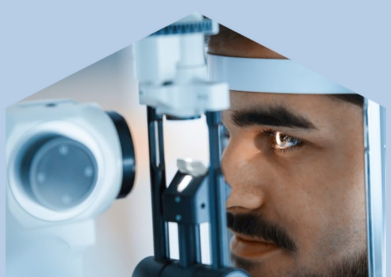
Eye problems are among the most common and potentially challenging presentations in primary care. With more than 2 million people currently living with sight loss in the UK - a figure projected to rise to over 4 million by 2050 - the need for timely recognition, management and referral of eye conditions has never been greater.
GPs are often the first healthcare professional consulted when patients experience visual symptoms, red eye, sudden vision changes or ocular discomfort. In fact, eye-related problems account for an estimated 4.5 million GP consultations each year, placing primary care at the heart of preventing avoidable sight loss and ensuring patients receive the right care at the right time.
Learning Objectives:
Topics include
Conference Chair:
Dr Waqaar Shah, FRCGP, RCGP Clinical Expert in Eye Health

Cardiovascular disease is the world’s biggest killer and in the UK one of the leading causes of dying prematurely, in both men and women. More women die prematurely from CVD than breast cancer. Fortunately, with proactive care, most of which can be delivered in primary care, many of these deaths can be avoidable. The evidence and guidance within cardiology has evolved very dramatically in recent years and it is likely that if you are still practicing the way you were even a few years ago, you may be out of kilter with current best practice.
This one day conference, tailored specifically to the needs of primary care HCPs – namely GPs, GP registrars, practice nurses, clinical pharmacists, paramedics, and the wider primary care MDT – aims to bring you up to speed with contemporary evidence-based and guideline-recommended management. Across the day, you’ll gain concise algorithms, prescribing and monitoring checklists, referral triggers, and language/behavioural strategies that make consultations smoother and outcomes better.
Learning Objectives:
Topics include
Conference Chair:
Dr Yassir Javaid FRCGP, GPwER in Cardiology

Men experience significant health inequalities in the UK. Around one in five men will not live to reach retirement age, and many serious conditions are diagnosed late because men are less likely to seek medical advice early, particularly for mental, sexual, or reproductive health concerns.
Primary care sits at the centre of this challenge. Most men will only discuss sensitive issues with their GP, making general practice the critical setting for earlier detection, prevention, and intervention.
At the same time, several major trends are reshaping men’s health. Sperm counts have fallen by around 50% globally over the past 50 years, and around 90% of initial subfertility consultations occur in primary care. This means GPs increasingly need the knowledge and confidence to begin appropriate assessment, initiate investigations, and guide patients through early management and referral pathways.
The RCGP One Day Essentials Men’s health conference is designed to support clinicians in managing the conditions that commonly present in practice but are often under-recognised or difficult to navigate. Through practical teaching and case-based discussion, expert speakers will provide clear frameworks for assessment and management.
More than 2000 clinicians attended last year’s conference, reflecting the growing demand for practical education in this area.
Learning Objectives:
Topics include
Conference Chair:
Dr Anand Patel MRCGP, GP, Specialist in men's health

Skin conditions are one of the most common reasons for GP consultations, yet dermatology training during medical school and vocational training can be variable, leaving many clinicians lacking confidence in diagnosing and managing skin disease. As GPs, we manage the majority of dermatological conditions in the community without recourse to secondary care, and when we do refer, patients often face long waiting times. This means that primary care clinicians need the confidence and skills to assess, diagnose, treat and safety-net a wide range of skin presentations.
This One Day Essentials conference will focus on common and challenging dermatology presentations in general practice, including skin cancer, inflammatory skin disease, infections, hair loss, facial dermatoses and dermatology in skin of colour. The emphasis throughout the day will be on practical diagnosis, evidence-based management, and knowing when to refer.
Learning Objectives:
Topics include
Conference Chair:
Dr Pyal Patel, MRCGP, GPwER in Dermatology and cosmetic dermatology

This is a recording of a live conference that took place on 24 March 2026. This recording will be available to view until 24 December 2026.
Respiratory disease affects one in five people and is the third largest cause of death in the UK in 2022. Respiratory problems are the commonest reason for patients to consult primary care and their general practitioners in the United Kingdom. In addition, suboptimal management of chronic respiratory conditions can have a significant impact on patients' quality of life and result in avoidable hospital admissions. Join us for this insightful conference focusing on managing respiratory health conditions in primary care.
Learning Objectives:
Topics include
Conference Chair:
Dr Stephen Holmes, FRCGP, GP and Clinical respiratory lead

Now more than ever it is essential that we are able to identify these conditions early and manage them effectively including signposting patients to the appropriate service in a timely fashion and with limited resources. In addition, with the increasing pressure on our appointments, we are remotely triaging and/or consulting with more patients making a meaningful assessment of their neurological symptoms even more challenging. This necessitates updating our knowledge and re-educating our gut-feeling to effectively and safely assess them in 10 mins and agree a management plan. You'll learn lots of practical tips to help you improve your practice and your patients care.
Learning Objectives:
Topics include:
Conference Chair:
Dr Nassif Mansour FRCGP